City Water · SWFL Municipal Supply
City water, corrected at the source.
Southwest Florida's municipal water is technically compliant and practically inadequate. It is heavily chlorinated to stay sanitary through long pipe runs, mineral-saturated from limestone bedrock, and arrives at your meter carrying the residue of every utility decision made between the plant and your faucet. We address all of it before it enters the house.

Chapter I · The Problem
What you are actually drinking, showering in, and washing with.
Cape Coral, Fort Myers, and Lehigh Acres draw from a mix of Floridan and Sandstone aquifers and treat with chloramine or free chlorine. The result is water that meets federal standards and damages your home, your appliances, and your skin in measurable ways. Below is what we typically find at the kitchen tap before we install.
01Chlorine & Chloramines
0.5 – 4.0 ppmDisinfectant residual the utility must maintain in the distribution system.
Dry skin, brittle hair, eczema flare-ups, that distinctive 'pool' smell in your shower, and chlorine-flavored coffee.
02Hardness (Ca²⁺, Mg²⁺)
180 – 280 ppmDissolved limestone the water collects passing through the aquifer.
Scale on glass, fixtures, and inside your water heater. Cuts appliance life in half. Increases soap use by 30–50%.
03Trihalomethanes (THMs)
20 – 60 ppbDisinfection byproducts formed when chlorine reacts with organic matter in source water.
Long-term exposure linked to elevated bladder cancer risk; particularly absorbed during hot showers.
04Lead & Copper
Trace – 8 ppbLeached from older home plumbing and service lines after treatment.
Cumulative neurotoxicity, especially concerning in homes with children or built before 1986.
05Sediment & Pipe Debris
Rust, sand, and biofilm from miles of distribution pipe.
Discoloration during pressure changes, fouled aerators, premature failure of solenoid valves in appliances.
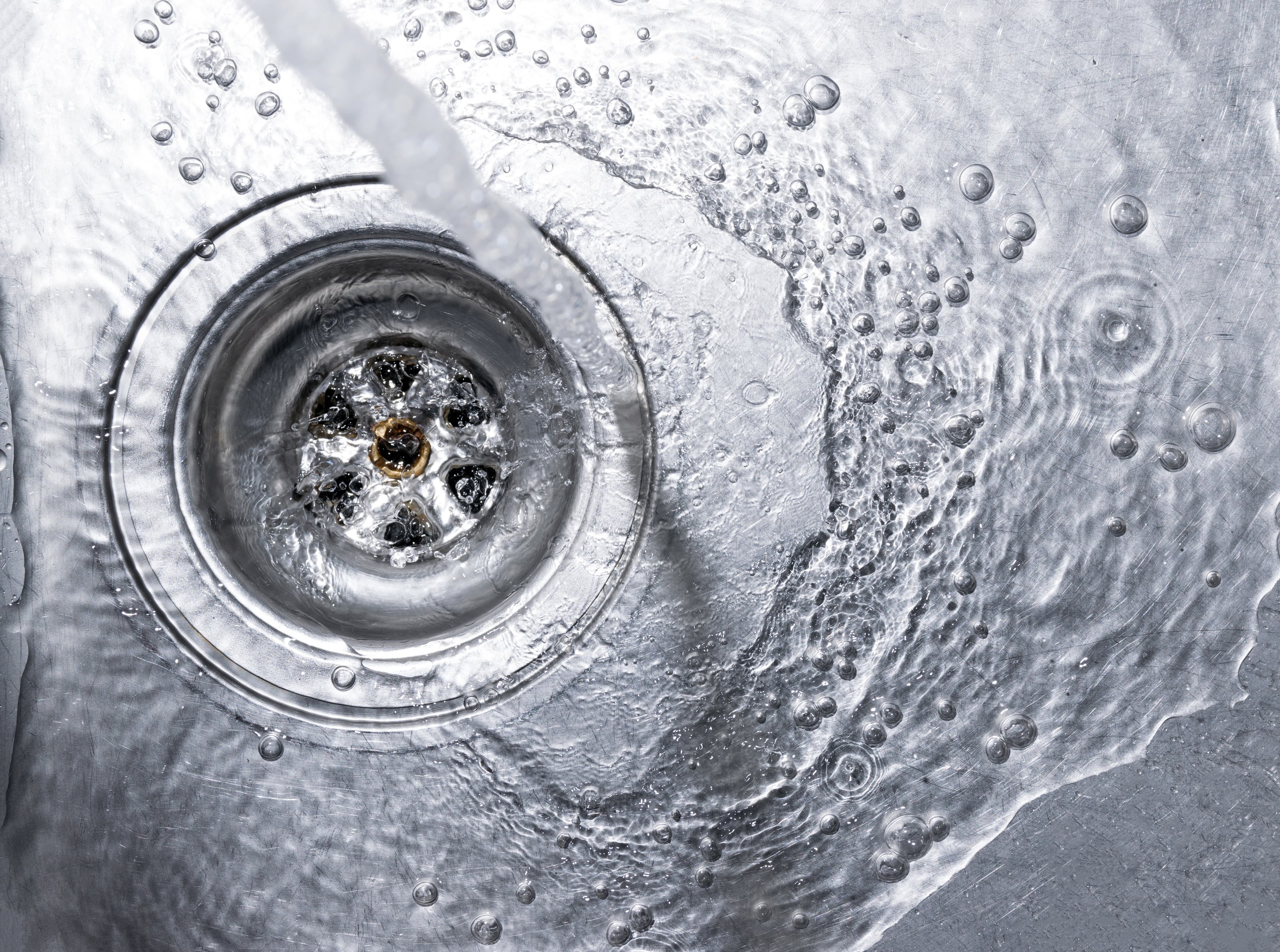
Plate I · Before
Chapter II · Diagnostics
We measure your tap, not your zip code.
Every install begins with a five-test analysis performed at your kitchen sink. We do not estimate from city averages, and we do not size systems from a brochure. The results inform the media volume, the stage order, and the bypass plumbing.
- 01
Free Chlorine
Measured in ppm at point of use.
- 02
Total Hardness
Grains per gallon, converted to ppm.
- 03
pH
Balanced against your appliance manufacturer specs.
- 04
TDS
Total dissolved solids, baseline for the RO sizing.
- 05
Iron / Sulfur (if present)
Catch any well bleed or distribution anomalies.
“I couldn't even shower without my chest tightening from the chlorine. After Calvin installed our system, that issue disappeared the next day.”
Chapter III · The System
The Intiwater 4-Stage Municipal System.
One vessel. Four media beds, layered in the order water needs to encounter them. Sized to your home's flow rate and the readings we take at install. Higher media grade than what is sold at big-box stores, with longer service life and tighter tolerance.
- IRed Garnet, 30/40 mesh
Sediment Capture
Heavy mineral garnet, denser than standard sediment media, captures sand, rust flakes, and pipe debris before they reach the active stages downstream.
- IIKDF-55 Process Media
Heavy Metal & Bacteriostatic
Reduces dissolved lead, copper, mercury, and inhibits bacterial growth inside the vessel. Extends the life of the carbon stage by removing what would otherwise blind it.
- IIICatalytic Activated Carbon
Chemical & Taste
Strips free chlorine, chloramines, trihalomethanes, herbicides, pesticides, and any chemical that produces taste, odor, or skin reactivity.
- IVKation Resin, ion-exchange
Conditioning
Softens by exchanging calcium and magnesium for sodium. Protects every appliance and fixture downstream, eliminates scale formation in the water heater.
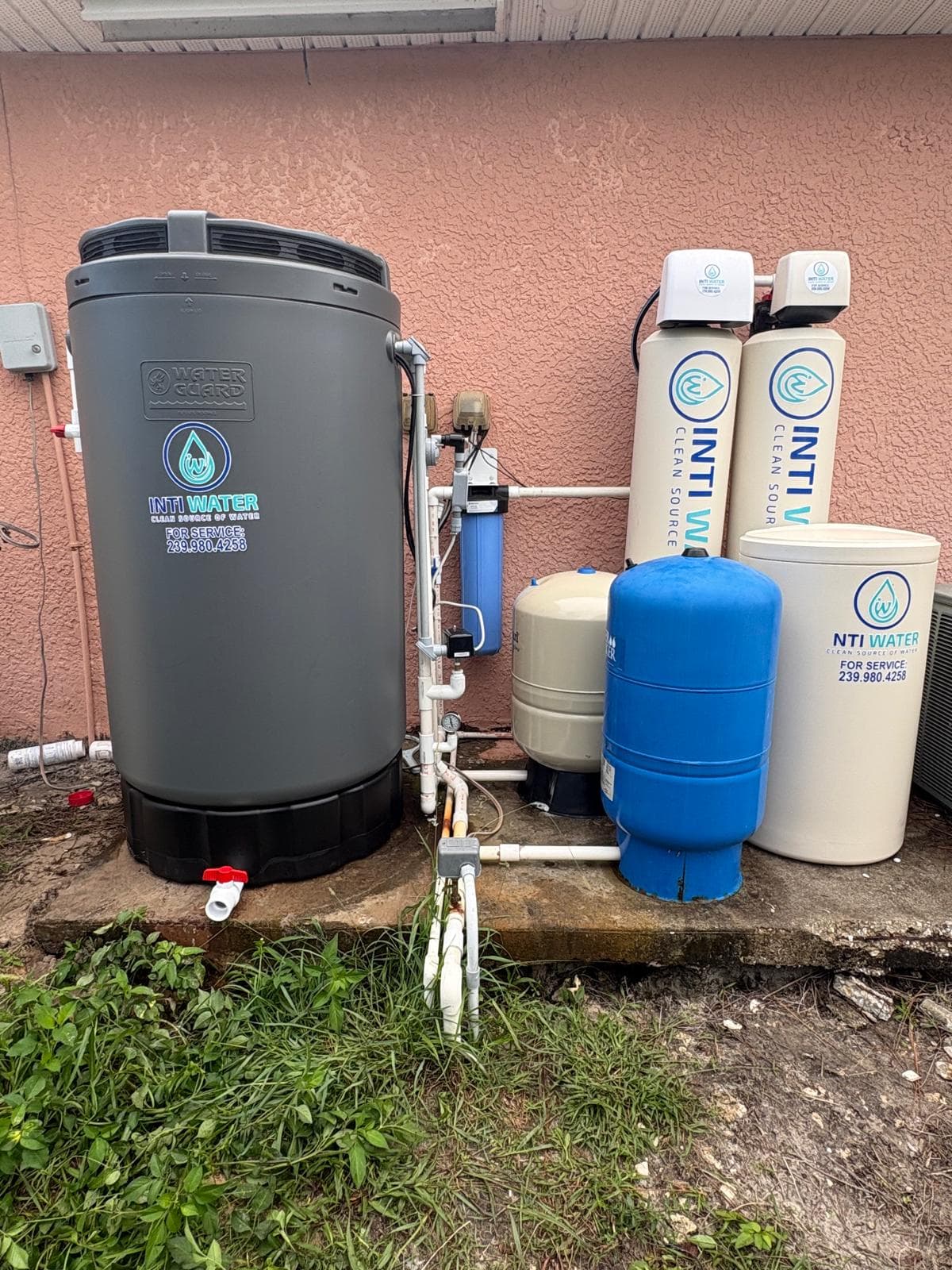
Plate II · The Installation
Installed in one day · SWFL
Specifications
Engineered to measurable tolerances.

Measurable · Tested at the tap
Chapter IV · Outcomes
Within the first shower, then for fifteen years.
The shift is immediate at the tap and accumulates everywhere else.
- 01
No chlorine in the steam.
Showers stop smelling like a pool. Asthma and eczema sufferers notice within days.
- 02
Soap performs again.
Less detergent, softer laundry, no scum line on the tub.
- 03
Appliances last longer.
Water heaters, dishwashers, and washing machines run their full service life, not half.
- 04
Fixtures stop spotting.
No more mineral haze on glass shower doors, faucets, or shower heads.
- 05
Coffee, ice, and food taste correct.
Tea pulls cleaner. Ice is crystal. Pasta water doesn't carry an off-note.
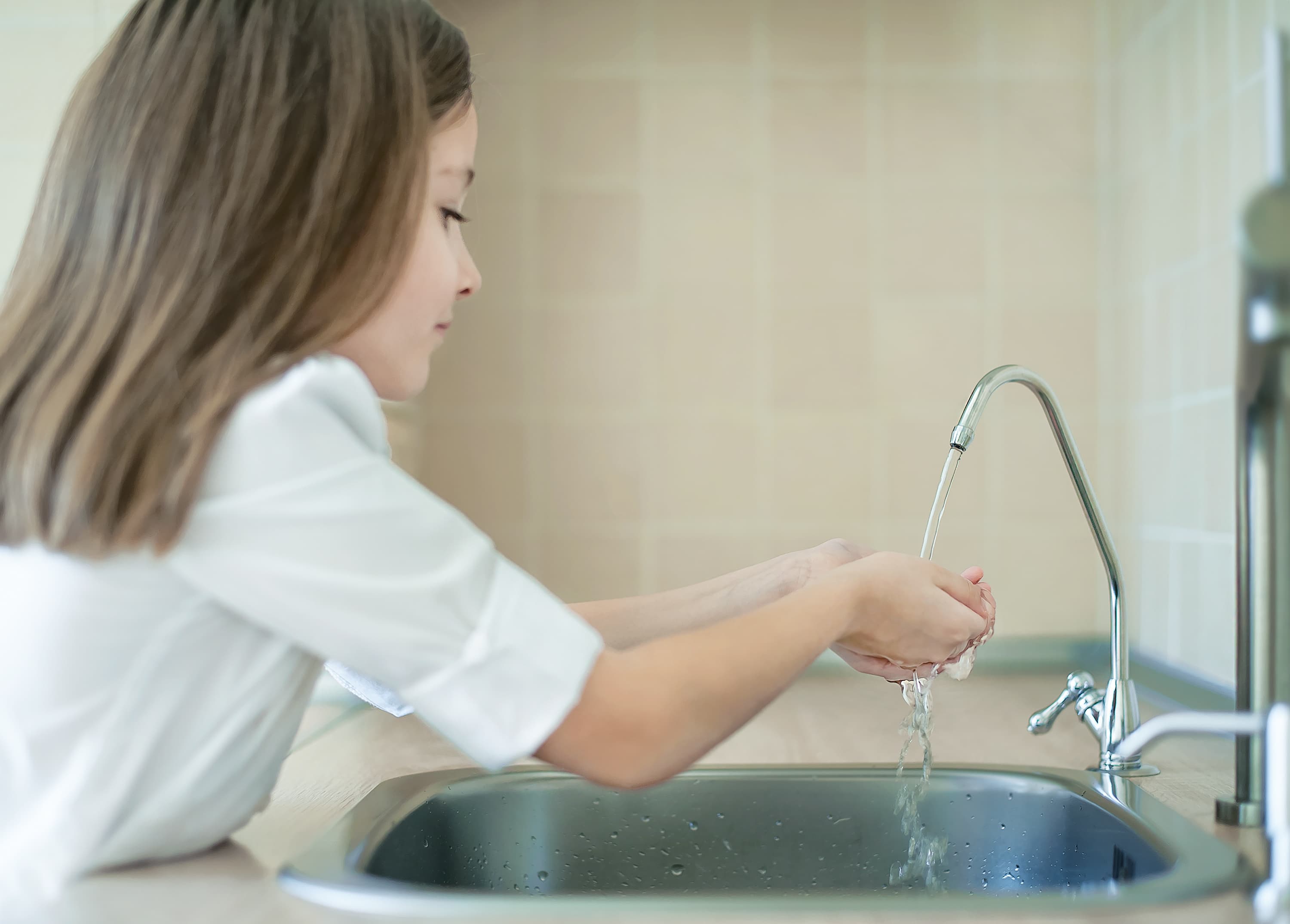
Plate III · After
Questions
What homeowners ask before they decide.
- Cape Coral water is technically compliant. Why do I need anything?
- Compliance is a regulatory floor, not a quality ceiling. The EPA standards permit levels of chlorine, disinfection byproducts, and hardness that produce daily, measurable effects on your skin, your appliances, and your food. We address what compliance ignores.
- Will I still have water pressure after the system is installed?
- Yes. We size to your home's actual demand—typically 10 gpm service flow for a family home. You will notice no change at any fixture.
- Do I need a separate RO system for drinking?
- The whole-house system removes the contaminants that affect the entire home. For drinking water specifically, we recommend pairing with our 7-stage under-sink RO so you have bottled-quality at the kitchen and refrigerator without buying plastic.
- Is the salt from the softener stage a concern?
- We use ion-exchange softening, which adds roughly 12 mg of sodium per glass — less than a slice of bread. If you are on a strict sodium-restricted diet, we install a potassium chloride variant or add an RO at the drinking tap.
- How long does the installation take?
- A full day. Calvin and a senior technician arrive in the morning, install on the supply line at your main, integrate the bypass, pressurize, and run the kitchen-tap verification before leaving.
The decision